
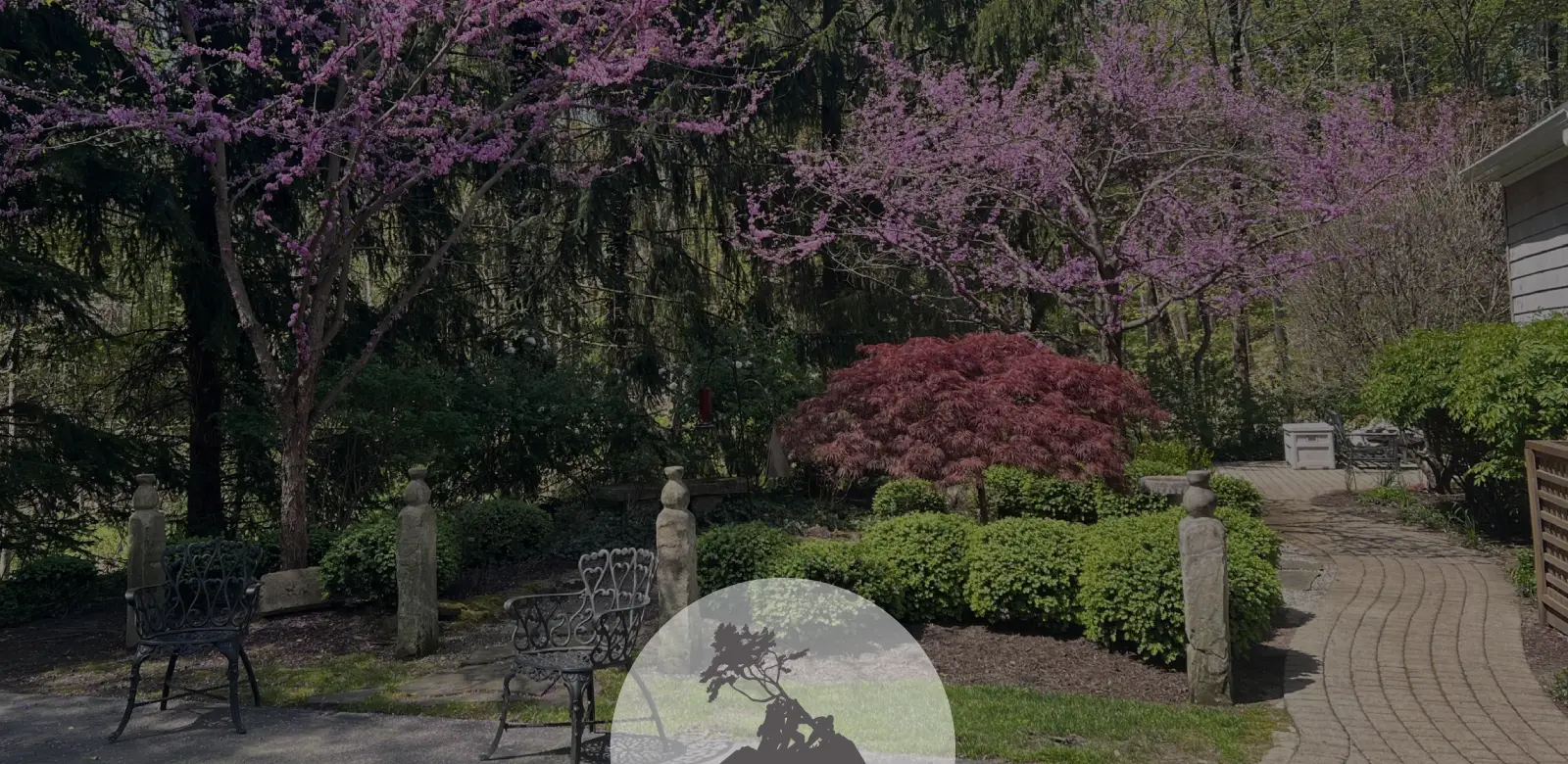
It’s Ohio. More specifically, Northeast Ohio. Stormwater management is a conversation we find ourselves having often out here, and for good reason. We’re talking about Geauga County: the wetlands of Northeast Ohio, home to a majority of the Chagrin River watershed and the recipient of everything Lake Erie’s snow machine decides to send our way. So, it’s necessary to consider our unique challenges when Carmel Landscapes staff provides stormwater management solutions to both our businesses and homeowners.
We live by one of only a handful of lakes on the planet that creates the phenomenon of lake-effect snow. So, it’s proper to include that factor into the equation. Our company’s battle cry is “mitigating the environmental impact of progress.” Managing stormwater through rain gardens, bio-retention cells, and collaborating with soil and water conservation districts keeps us honest with every project and every structure that displaces the water that once sat in the build area.
In this guide, you’ll find:
- What stormwater actually is and why it becomes a problem
- Where destructive runoff originates on your property
- How to control stormwater runoff with low-impact, natural methods
- What rain gardens are and how they work in Northeast Ohio
- How to deal with water runoff from a neighbor’s yard
- What the best drainage solution for heavy rain looks like in practice
What is stormwater?
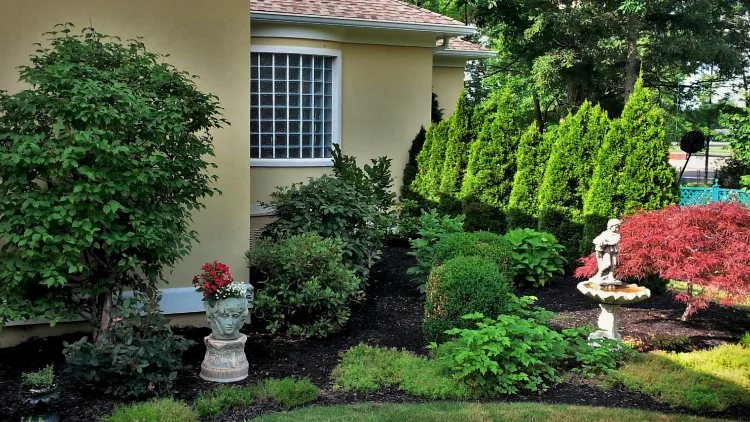
Stormwater is just what it says. More specifically, it’s water produced by precipitation. There is no fancy definition to it. Rain events nurture the local landscape around us, so stormwater is not inherently bad. It’s the management that is concerning to us, often being a lack of awareness, often making management of stormwater superficial.
Water is a fascinating compound at its core. It’s life-giving sustenance, while at the same time being the most destructive natural force we know of on the planet. Because of its unique molecular structure, it’s one of the few compounds that expands when it freezes. We use it on everything we clean, but it’s also responsible for leaving deposits everywhere.
So, how do you approach a challenge that is both this and that? Let’s shed some light on the solutions we provide, incorporating low-impact, sustainable natural methods. Stormwater becomes destructive and contaminated when it’s fast moving, originates from hard surfaces, and lacks vegetation.
Although our strategy involves a holistic system, it really is a simple concept, but very misunderstood because of the stigma behind stormwater.
The stormwater stigma
Firstly, we discuss the stigma behind stormwater and have a conversation with our clients that both informs and fosters a belief that stormwater can’t be eliminated, instead it can be utilized with an intended purpose.
Where does stormwater come from?
Destructive stormwater originates from roofs, driveways, other hard surfaces, and notable unprotected elevations. It picks up contamination and ultimately moves earth as it intensifies. Managing the stormwater involves calculating how much needs to be managed for a specific location, and that includes locating all the sources on and off site.
One of the most common questions we hear is how to deal with water runoff from a neighbor’s yard. It’s a valid concern, and it’s one of the reasons we approach every stormwater project as a site-specific challenge. Erosion is encouraged the faster the water moves. Routing the water through the landscape by reducing elevations and strategically placing vegetation slows the water down, allowing stormwater to become groundwater, replenishing aquifers, filtering the contaminates, and creating biodiversity. This ultimately reduces erosion and the destructive power of water.
Achieving this method is executed when accurate site data and expectations are formulated through honest discussion. Recently, we have invested in drone technology that eliminates a lot of guesswork, making the process even simpler for our clients. Our LiDAR technology picks up all the nuances in a landscape and gives us the ability to problem-solve with the click of a mouse before equipment arrives on site.
Where does all the water go?
It’s a relevant question, and not answered with any blanket statements. It will go to the most reasonable location your property has to offer, and that’s where rain gardens, bio-swales, and purposefully planted vegetation come into play.
Utilizing rain gardens is a sustainable alternative to traditional drainage solutions. It leverages a problem area’s natural traits and introduces vegetation that thrives in those conditions. Most traditional drainage solutions create focus points and heavy excavation that don’t utilize the water’s full potential. Bio-swales and rain gardens, on the other hand, are constantly utilizing the stormwater and giving back to the local landscape.
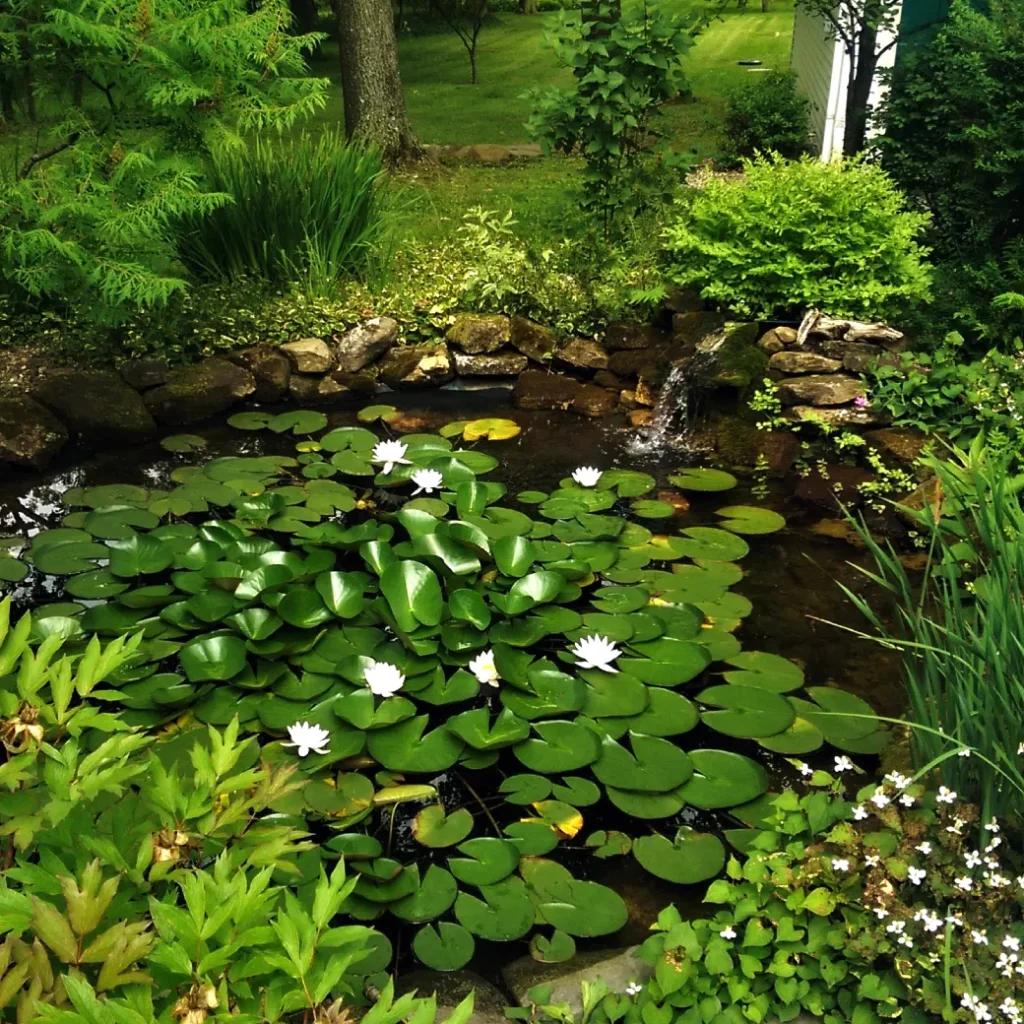
Rain gardens: the best drainage solution for heavy rain in Northeast Ohio
Rain gardens, even though they are usually thought of as a residential planting feature, create an incredible drainage solution that is not only sustainable but feeds and fosters natural ecosystems. Most rain gardens are installed in wet, unused spaces where other attempts to plant and drain have failed.
ather than channeling stormwater through traditional means directly into the Chagrin River which ultimately ends up in Lake Erie we implement responsible watershed practices that naturally filter and drain stormwater by deploying native plant options to cultivate biodiverse ecosystems in your backyard. It’s the approach that keeps us honest as sponsors and partners of the Chagrin River Watershed Partners.
The benefits of rain gardens and bio-swales:
- Reduce flooding and erosion
- Naturally filter pollutants, fostering healthier waterways
- Provide essential habitat for pollinators and wildlife
- Native plants thrive with minimal maintenance once established
- Transform unused, problem areas of your yard into functioning ecosystems
- Can reduce sewer costs in some localities
How to reduce stormwater runoff at your home
Stormwater management for us is not a network of PVC pipe routing water through a property to collect in a centralized area away from structures. Instead, it’s a network of hills and valleys through a property, no matter how minute, that drive water toward strategically placed vegetation, filtering out salts and other contaminates from the stormwater as it works its way through the soil.
We are also proud to be among a select few companies certified in the design and installation of residential and commercial rain gardens in the region. Our partnership with the Chagrin River Watershed Partners underlines our commitment to reducing environmental impact and fostering local ecosystems on every project we take on.
Final takeaway
Viewing stormwater as a resource rather than pushing it out of sight and out of mind is a more responsible method of drainage. Above mitigating the stormwater, you’re creating a biodiverse environment. Rain gardens and bio-swales create solutions that are resilient, sustainable, and site-specific. This approach not only protects structures and waterways, but strengthens the ecosystems that make Northeast Ohio unique.
Managing stormwater responsibly starts with understanding the land and choosing to work with it. If you’re dealing with runoff challenges on your property, whether from your own grades, a neighbor’s yard, or heavy seasonal rain events. We’d welcome the opportunity to take a look.
Carmel Landscapes designs and installs certified rain gardens, bio-swales, and stormwater management systems throughout the Chagrin Valley and Greater Cleveland area. Contact us to discuss your property’s drainage challenges and how we can help create a sustainable solution that works with your land.

Find out what's new with your local certified landscape professional
We're hiring!
Carmel Landscapes is seeking motivated, skilled workers to join our team. Skilled laborers are needed for our high-end hardscape projects. Horticulture and landscape technicians are needed to help design, plant and maintain our sustainable, eco-friendly projects.
We value hard work, craftsmanship and an eye for detail, offering competitive pay and full-time employees enjoy benefits and PTO.